
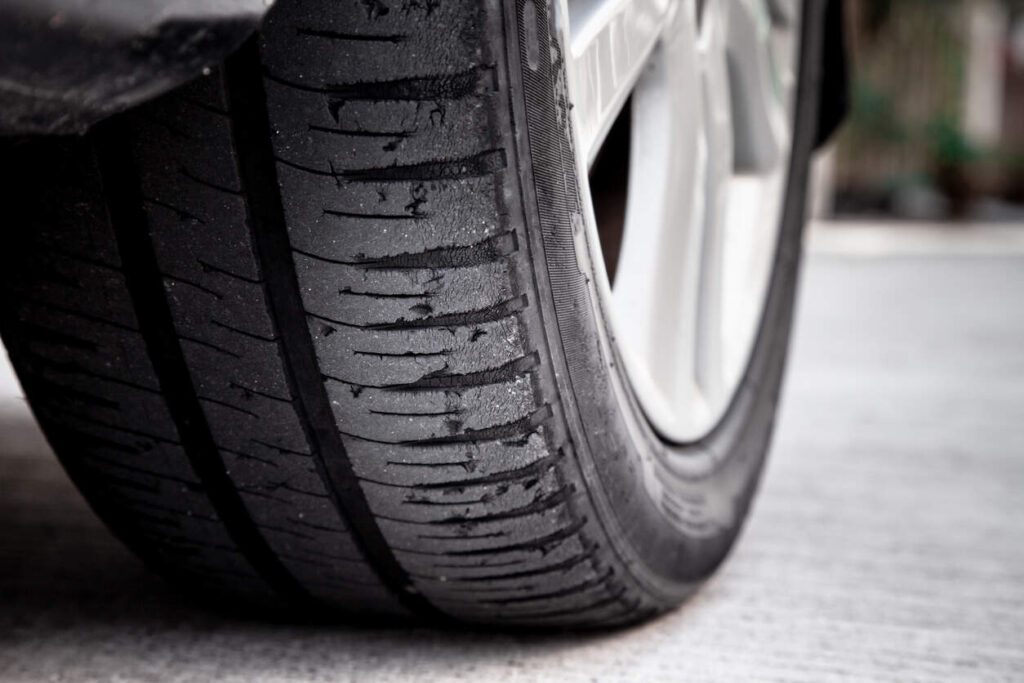
Tyres rarely fail without warning. The clues are usually there. Most drivers simply miss them.
Every week in the UK, breakdown services respond to thousands of tyre-related incidents. According to the UK Department for Transport, defective tyres contribute to over 2,000 road accidents annually. Many of these could have been prevented with a simple inspection.
That is why understanding Tyre Warning Signs matters.
If you notice the signals early, you can avoid dangerous blowouts, failed MOT tests, or expensive repairs.
So before your next motorway trip, grab a torch and check your car. These five warning signs could save you serious trouble.
Why Checking Tyres Regularly Matters in the UK
Weather in the UK is tough on tyres. Rain, potholes, cold mornings, and long motorway drives all take their toll.
Many drivers ask:
- When to replace tyres UK drivers rely on?
- How to check tyre condition properly?
- What are the unsafe tyre signs UK mechanics warn about?
A quick tyre safety check UK experts recommend usually takes less than five minutes. Yet it can reveal hidden issues like pressure loss, alignment problems, or uneven wear.
Before we explore the major warning signs, here is a quick safety benchmark.
UK Tyre Safety Standards
| Safety Factor | Legal Requirement |
| Minimum tread depth | 1.6 mm |
| Tyre pressure | Manufacturer specification |
| Visible damage | Not allowed |
| Tyre age recommendation | 5–6 years |
The RAC and AA both suggest inspecting tyres at least once every two weeks.
1. Uneven Tread Wear
One of the most common tyre wear signs 2026 mechanics report is uneven tread patterns.
You might see:
- inner edge wear
- outer edge wear
- centre wear
- patchy abrasion signs
Each pattern tells a story.
What Uneven Wear Usually Means
| Wear Pattern | Possible Cause |
| Inner edge wear | Alignment issues |
| Outer edge wear | Underinflation |
| Centre wear | Overinflation |
| Random patches | Suspension faults |
A mechanic once showed me a tyre that looked perfectly fine from a distance. Up close, the inner edge was almost bald. The driver had no idea.
That hidden wear can lead to blowout risk, especially at motorway speeds.
Quick Weekend Check
Run your hand across the tread.
If it feels:
- smooth in some areas
- rough in others
- noticeably thin on one side
you are seeing classic tyre wear signs.
2. Persistent Tyre Pressure Warning Light
Modern cars use sensors to monitor pressure. When a tyre warning sign on car dashboards appears, it usually means something is wrong.
Common dashboard alerts include:
- tyre warning lights
- tyre warning signal
- tyre pressure warning signs
- tyre pressure warning sign in car
- tyre pressure warning signal
- tyre indicator sign
Drivers often ignore them. That is a mistake.
What the Warning Could Mean
A tire warning sign on dashboard displays usually signals:
- low air pressure
- puncture
- slow leak
- damaged valve
- faulty sensor
Sometimes the tire warning sign blinking indicates a system malfunction.
Luxury vehicles like BMW models even show specific alerts such as the bmw tyre pressure warning sign or tyre warning sign BMW system alerts.
Why Pressure Matters
Incorrect pressure causes:
- faster tread wear
- reduced braking ability
- higher fuel consumption
- overheating tyres
According to Michelin research, underinflated tyres increase accident risk by up to 30%.
3. Cracks, Bulges, or Surface Damage
Tyre sidewalls tell you a lot about their health.
Look closely. If you notice any of these, act quickly:
- cracks in rubber
- bulges on sidewall
- cuts or abrasions
- exposed cords
These are serious unsafe tyre signs UK garages deal with every day.
Why Bulges Are Dangerous
A sidewall bulge means internal structural damage.
The tyre has weakened layers. Pressure pushes outward creating a bubble.
This dramatically increases blowout risk.
Drivers often notice this after hitting:
- potholes
- curbs
- debris on motorways
Even high-quality all-season tyres can suffer sidewall damage.
4. Vibrations While Driving
Cars vibrate for many reasons. But tyres are often the culprit.
If your steering wheel shakes at certain speeds, it may signal:
- wheel imbalance
- alignment issues
- uneven tread wear
- damaged tyre belts
I once experienced this on a motorway drive near Manchester. The vibration started around 65 mph. Within days the tyre developed a bulge.
Ignoring vibration can lead to:
- rapid tread damage
- steering instability
- suspension wear
It is one of the most overlooked tyre warning signs drivers miss.
5. Low Tread Depth
This is the simplest warning sign to spot.
Yet many drivers wait too long.
The 20p Coin Test
Insert a 20p coin into the tyre tread.
If the outer band of the coin is visible, tread depth may be below the legal limit.
That means the tyre may soon fail an MOT inspection.
Why Tread Depth Matters
Low tread reduces grip dramatically.
On wet roads, tyres rely on grooves to channel water away. When those grooves disappear, hydroplaning becomes likely.
Research from the European Tyre Safety Organisation shows:
- braking distance increases by over 40% when tread drops below 1.6 mm.
That is why experts recommend replacing tyres earlier.
Many mechanics advise replacement at 3 mm tread depth rather than waiting for the legal minimum.
How to Check Tyre Condition in 5 Minutes
A quick inspection can reveal most problems.
Follow this simple routine:
Step-by-Step Tyre Check
- Check air pressure using a gauge.
- Inspect tread depth across the entire tyre.
- Look for cracks, bulges, or cuts.
- Check for uneven wear patterns.
- Watch for dashboard alerts like a tyre warning sign on car systems.
Perform this tyre safety check UK drivers should follow at least twice a month.
When to Replace Tyres in the UK
Drivers often ask exactly when to replace tyres UK safety rules recommend.
Replace tyres immediately if you notice:
- tread depth under 1.6 mm
- visible sidewall damage
- repeated pressure loss
- exposed internal cords
- severe uneven wear
You should also consider replacement if tyres are over six years old, even if tread appears acceptable.
Rubber degrades over time due to oxygen, sunlight, and temperature changes.
Quick Tyre Warning Signs Checklist
Here is a simple summary.
Stop driving and inspect your tyres if you notice:
- tyre warning lights
- tyre pressure warning signs
- a tyre warning signal
- vibration while driving
- uneven tread wear
- sidewall bulges or cracks
- flat tyre warning sign alerts
- rapid pressure loss
Even something small like a tire warning sign on dashboard deserves attention.
Tyre Warning Signs Keyword Reference
The following terms are commonly searched when drivers research tyre problems. They relate to warning systems, safety indicators, and tyre condition checks.
Final Thoughts
Tyres are the only part of your vehicle touching the road. Four small contact patches carry the weight of your entire car.
Ignoring Tyre Warning Signs can lead to accidents, failed MOT tests, or costly roadside breakdowns.
Fortunately, most tyre problems reveal themselves early.
Take five minutes this weekend and check:
- tread depth
- air pressure
- sidewall condition
- dashboard alerts
It is one of the simplest safety habits you can develop.
And sometimes, those five minutes can prevent a very bad day on the motorway.