
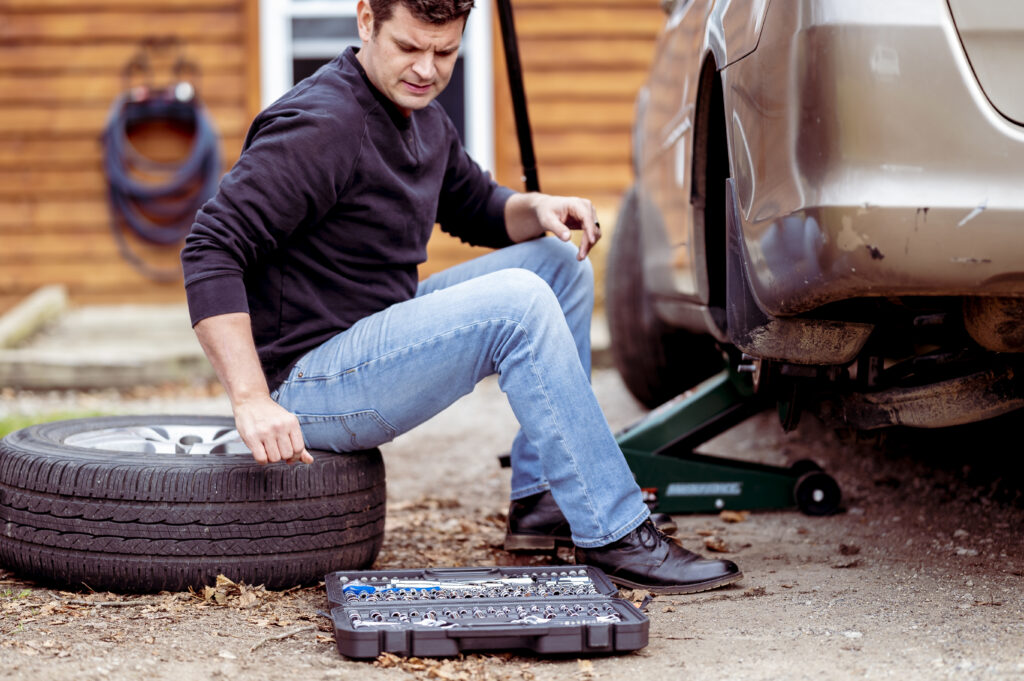
Tyre Punctures in the UK : Many drivers notice a strange pattern every year. Tyre punctures increase sharply in February. A simple commute can suddenly turn into a stressful roadside situation.
Across the tyre in UK market, garages report a spike in flat tire repairs during late winter. Cold temperatures, damaged roads, and hidden debris create perfect conditions for a tyre puncture in UK drivers often experience.
The problem is not just inconvenience. A damaged tyre in England can affect highway safety, vehicle control, and even fuel efficiency. Poor driving conditions, reduced inflation levels, and weakened rubber increase the chance of deflation issues or sudden failure.
In this guide, you will learn:
- Why February causes more punctures
- The most common causes of tyre damage
- Warning signs of a flat tire
- Practical prevention tips
- When to repair or replace your tyres
- Where to find tyre puncture works near me
Proper automobile maintenance and frequent checks can prevent expensive cost of repairs and dangerous roadside situations.
Why Tyre Punctures Increase in February
Winter Weather Damage to Roads
Winter plays havoc with roads across the UK.
One of the biggest causes is the freeze–thaw cycle. Water enters tiny cracks in the road surface. When temperatures drop, the water freezes and expands. This expansion breaks the asphalt apart.
Over time, the road surface weakens and forms potholes. These hidden hazards can cause impact damage to your tyres and even your alloy wheels.
A vehicle hitting a deep pothole at speed may suffer:
- Sidewall cuts
- Handling issues
- Bent rims
- Sudden deflation issues
Poor road surfaces combined with cold temperatures place extra stress on every tire in UK vehicles.
Potholes at Their Peak
February often records the highest pothole complaints across the country.
Roads are still recovering from harsh winter conditions. Local councils usually begin large repair projects later in spring. Until then, many drivers face damaged surfaces daily.
These potholes create several risks:
- Impact damage to tyres
- Broken hubcaps
- Bent alloy wheels
- Increased accident prevention concerns
Even low profile tires are especially vulnerable. Their thinner sidewalls provide less protection when hitting sharp road edges.
Regular damage assessment after long trips can prevent bigger mechanical problems.
Low Tyre Pressure in Cold Temperatures
Cold air affects Air pressure inside tyres.
For every 10°C temperature drop, tyre pressure can fall by around 1–2 PSI. This creates inflation levels lower than recommended by manufacturers.
Under-inflated tyres cause several problems:
- Poor fuel efficiency
- Faster excessive wear
- Increased handling issues
- Higher chance of a flat tire
Low pressure also makes tyres more vulnerable to pothole damage. That is why frequent checks during winter months are essential.
Drivers should regularly check tire tread and pressure to ensure optimal safety.
Debris on Roads After Winter Storms
Winter storms scatter debris across roads.
Broken tree branches, gravel, metal fragments, and construction materials often remain on the road surface. This grit and debris becomes a hidden threat for vehicles.
Sharp objects such as nails or screws easily penetrate weakened rubber. This leads to slow leaks or sudden deflation issues.
Debris is particularly dangerous on:
- Motorways
- Rural roads
- Industrial areas
- Construction zones
Careful driving and proper journey preparation reduce the chance of tyre damage.
Common Causes of Tyre Punctures in Winter
Several mechanical and environmental factors contribute to winter punctures.
1. Driving Through Potholes
Deep potholes create sudden impact damage. The force can damage tyres, rims, and suspension components.
2. Nails, Screws, and Sharp Objects
Road debris often causes slow leaks. Many drivers only discover the problem during a leak detection check.
3. Worn or Old Tyres
Old rubber becomes brittle in cold temperatures. Bald tires lose flexibility and grip.
The lifespan of tires depends on driving habits, weather, and general maintenance.
4. Incorrect Tyre Pressure
Incorrect Air pressure increases the risk of sidewall damage and poor road contact.
5. Damaged Wheel Rims
Bent rims from potholes can cause constant air loss. Even minor damage to alloy wheels can trigger recurring punctures.
Routine car service inspections help detect these problems early.
Signs Your Tyre May Be Punctured
A tyre rarely fails without warning. Paying attention to these signs improves accident prevention.
Sudden Loss of Tyre Pressure
If a tyre rapidly loses air, you may experience steering difficulty and reduced highway safety.
Vehicle Pulling to One Side
Uneven pressure causes steering imbalance. The car may drift toward the damaged tyre.
Unusual Vibration While Driving
Strong vibrations often indicate internal tyre damage or wheel imbalance.
Visible Damage or Embedded Objects
A nail, screw, or shard of metal lodged in the tread may cause slow air leakage.
Warning Light on the Dashboard
Modern vehicles have tyre pressure monitoring systems. These systems alert drivers when inflation levels drop.
Ignoring these signals can increase the cost of repairs and create dangerous driving situations.
What To Do If You Get a Tyre Puncture
Knowing what to do during a puncture can prevent accidents and reduce vehicle damage.
Pull Over Safely
Move your car away from traffic as soon as possible. Choose a safe area such as a lay-by or parking space.
Turn on hazard lights to improve highway safety.
Inspect the Tyre
Once stopped, examine the tyre carefully.
Look for:
- Visible punctures
- Cuts or cracks
- Sharp objects
- Sidewall damage
If the damage seems severe, avoid DIY repairs.
Use a Spare Tyre or Repair Kit
Many vehicles include an emergency kit with tools.
Typical items include:
- Jack tools
- Temporary repair sealant
- Portable air compressor
These solutions help drivers reach a nearby garage for proper fixing punctures.
Call Emergency Tyre Assistance
If the damage is serious, it is safer to contact roadside professionals.
Search for tyre puncture works near me to locate local technicians. Many services offer mobile repair and garage services that arrive directly at your location.
Professional mechanics perform damage assessment and recommend repair or replacement.
How to Prevent Tyre Punctures in Winter
Prevention saves money and improves road safety.
Check Tyre Pressure Regularly
Maintaining proper inflation levels is one of the easiest ways to prevent punctures.
Experts recommend checking tyre pressure every two weeks during winter.
Correct pressure improves:
- Fuel efficiency
- Handling issues
- Tyre lifespan
Inspect Tyre Tread Depth
Many drivers ask, what is the legal tyre tread in the uk?
The legal minimum tread depth is 1.6 mm across the central three-quarters of the tyre.
However, safety experts suggest replacing tyres earlier.
Worn tread reduces grip and increases stopping distance in wet weather.
Avoid Potholes When Possible
While potholes cannot always be avoided, careful driving helps.
Reduce speed on damaged roads and maintain safe distance from other vehicles.
Lower speed reduces impact damage and protects your alloy wheels.
Replace Worn Tyres Before Winter
High-quality tyres perform better in cold conditions.
Reliable options such as Goodyear tires provide improved grip and durability. Choosing quality tyres improves highway safety and reduces puncture risk.
Avoid extremely cheap or junkyard tires, which often have hidden damage.
Schedule Regular Vehicle Inspections
Routine inspection services identify early tyre damage.
Mechanics often perform:
- Brake inspection
- Tyre pressure checks
- Wheel alignment tests
- Tread depth analysis
Regular car service ensures your vehicle stays safe throughout winter.
When to Repair vs Replace a Tyre
Not every puncture requires a full replacement.
Small punctures in the tread area can often be repaired through professional blowout repair or patching.
However, replacement is recommended when:
- The sidewall is damaged
- The tyre shows excessive wear
- The structure is weakened
Repair costs are usually lower than replacement. Still, safety should always come first.
In some cases, tyre damage may even be covered by car insurance or insurance claims, depending on the situation.
Professional expert advice from technicians helps drivers choose the safest option.
Benefits of Mobile Tyre Repair Services
Mobile tyre repair has become increasingly popular across the UK.
These services offer several advantages.
Convenience
Drivers no longer need to tow their vehicle to a garage. Technicians travel directly to the vehicle.
Fast Roadside Assistance
Quick response times reduce waiting periods and restore vehicle mobility.
24/7 Emergency Tyre Fitting
Many services operate day and night. This is helpful during unexpected breakdowns on motorways.
Mobile technicians also perform:
- Leak detection
- Temporary repairs
- Tyre replacement
- Pressure adjustments
These services significantly improve highway safety for stranded drivers.
Conclusion
February creates perfect conditions for tyre punctures in the UK.
Cold weather lowers tyre pressure. Potholes damage roads. Storm debris increases hazards. Together, these factors lead to a sharp rise in tyre puncture in UK incidents.
However, the problem is largely preventable.
Simple steps such as maintaining proper Air pressure, performing regular inspection services, and replacing worn tyres can reduce risks significantly.
Drivers who stay proactive with automobile maintenance enjoy safer journeys, lower cost of repairs, and better highway safety.
If a puncture happens unexpectedly, professional garage services and mobile tyre specialists are always ready to help.
FAQs About Tyre Punctures in Winter
Why do tyres lose pressure faster in cold weather?
Cold temperatures reduce internal Air pressure. This lowers inflation levels and increases the chance of a flat tire.
Can potholes permanently damage tyres?
Yes. Severe potholes can cause impact damage, bent rims, and internal tyre failure.
Is it safe to drive with a slow puncture?
No. A slow puncture can suddenly worsen and lead to dangerous handling issues or complete tyre failure.
How often should tyre pressure be checked in winter?
Experts recommend checking pressure at least every two weeks. Regular frequent checks help maintain safe driving conditions.