
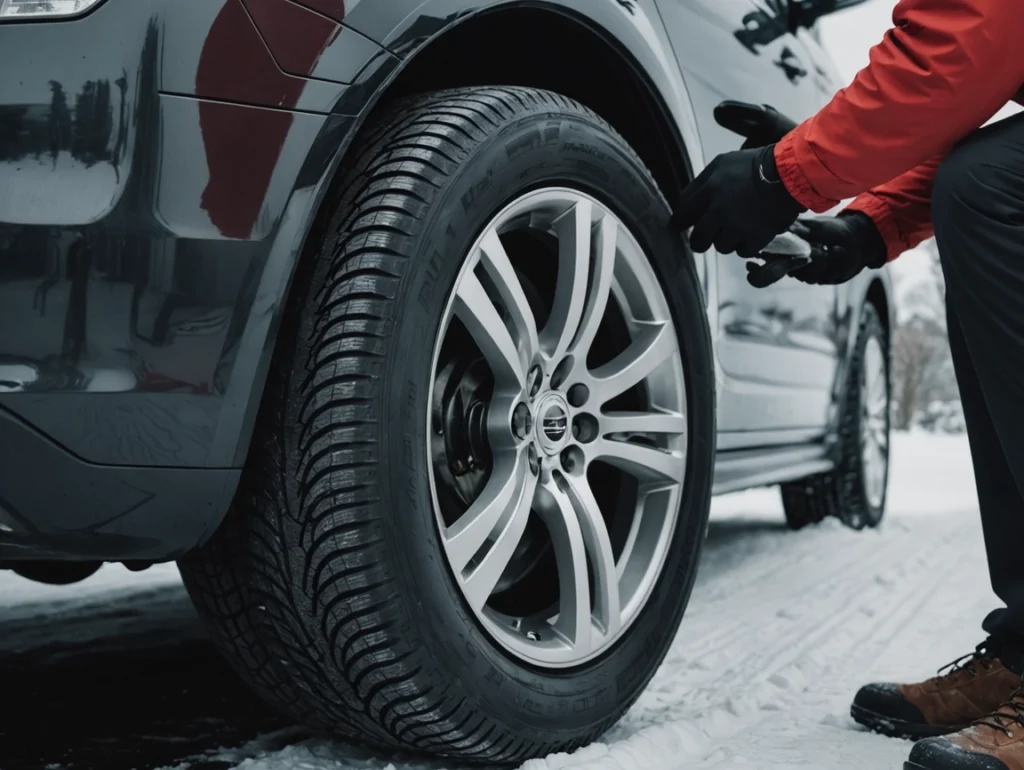
Choosing the right set of tires is one of the most significant safety decisions a vehicle owner makes. If you are currently wondering, what tyres are recommended for my car, you are in the right place to understand the technical and practical factors that influence your choice. Selecting the correct car tyre types is not just about fitment; it’s about ensuring your vehicle’s safety, efficiency, and longevity.
How to Find the Recommended Tyres for Your Specific Car
Finding out what tyres are best for my car requires looking past the brand and into the specifications. Many drivers treat tires as a “one size fits all” purchase, but this is a dangerous misconception. Guessing what tires are recommended for my car can lead to severe safety risks, including reduced grip performance and increased braking distances. To start, you must identify what tyres are suitable for my car using manufacturer data.
3 Ways to Locate Your Vehicle’s Tire Specifications
If you are unsure how do i know what kind of tires my car needs, there are three primary places to look. The first is the door placard, typically found on the driver-side jamb. This is the most reliable source to understand what tyres are needed for my car, as it provides precise details on the required air pressure and inflation pressure. Secondly, your owner’s manual is a definitive guide on how to find out what tyres my car needs. It lists what tires are compatible with my car and offers maintenance tips for optimal performance.
Lastly, you can check the sidewall of your current rubber to see what tires are for my car. However, be cautious if you purchased your vehicle used, as the previous owner may have installed incorrect replacement tyres. Always cross-reference the sidewall with official mobile tyre fitting data to ensure you aren’t driving on bald tyres. If you are looking for what tyres for my car uk or what tyres for my car by reg, using an online lookup tool can simplify the process of discovering what tyres should my car have.
Decoding the String: What P215/60R16 95V Actually Means
When you look for how do i know what tyres to buy for my car, you will encounter a complex string of numbers. Most modern cars use radial tyres, which have largely replaced the older bias-ply tyres. This string defines the width, aspect ratio, and construction. For example, the load rating indicates the maximum weight each tire can carry, while the speed rating tells you the highest speed the tire can safely sustain.
Understanding these codes is vital for drive performance. High-quality Tyre brands like Michelin tyres, Bridgestone tyres, and Goodyear tyres provide clear labeling to help you choose. If your car has alloy wheels, choosing the right low-profile tyres or touring tyres can significantly impact your ride quality and road noise.
Speed Rating vs. Load Index (Quick Reference)
| Rating | Max Speed (mph) | Load Index | Max Weight (lbs) |
| S | 112 | 91 | 1356 |
| H | 130 | 95 | 1521 |
| V | 149 | 100 | 1764 |
Why You Should Stick to Manufacturer Recommendations (OEM)
Sticking to the Original Equipment Manufacturer (OEM) specs ensures your vehicle’s handling characteristics remain as intended. Choosing premium tyres over cheap discount tyres often results in better fuel efficiency and a longer mileage warranty. Regular alignment check procedures and monitoring tyre pressure are essential to prevent general wear and maintain tread depth.
What Tyres Are Recommended for Your Driving Style?
Once you know the size, the next question is what tires are best for my car based on how you drive. Your environment and habits dictate the performance tyres you need. Matching your rubber to your reality involves looking at seasonal tyres and how they handle various road conditions.
Seasonal Recommendations: Summer, Winter, or All-Season?
For many, All-season tyres are the “Jack of all trades,” offering a balance of endurance testing success and versatility. However, if you live in a region with harsh winters, you need cold weather tyres or specialized ice tyres. When temperatures drop below 7°C, the compound types in standard tires harden, losing grip. In extreme climates, studded tyres or extreme weather tyres become necessary for safety.
For those in moderate areas like Luton or Buckinghamshire, cross-climate tyres are a rising favorite, providing safety in both sun and light snow. If you encounter a sudden issue, our emergency tyres and puncture repair services can get you back on the road in Aylesbury or Hemel.
Recommendations Based on Vehicle Type
Different vehicles require specialized rubber. Electric Vehicles (EVs) often require heavy-duty tyres to handle the weight of batteries while prioritizing low rolling resistance for better gas mileage. SUVs and off-roaders benefit from four-wheel drive tyres or specialized mud tyres designed for rugged terrain. Meanwhile, sports car owners should look for high-performance tyres that offer superior hydroplaning resistance and high-speed stability. If you drive a sedan, luxury car tyres can provide a quieter cabin and smoother ride.
Budget vs. Premium: Is the Extra Cost Worth It?
While budget tyres save money upfront, premium tyres often provide better durability ratings and safety features. Features like run-flat tyres allow you to continue driving to a safe location after a pressure loss, which is a major benefit over carrying a standard spare tyres. Whether you choose fitting services in Harpenden or Dunstable, investing in quality rubber is always the safer choice.
The Best Recommended Tires for Modern Cars in 2026
As we look toward 2026, tire technology is evolving rapidly. Modern Installation services now include smart pressure monitoring systems that provide real-time data to your dashboard. This technology helps avoid flat tyres and ensures your tyre pressure is always at the optimal level for fuel efficiency.
The EV Evolution and Sustainability
The rise of electric mobility has led to eco-friendly tyres made from sustainable materials and advanced compound types. These tires are designed to handle instant torque and reduce road noise. For those who occasionally track their cars, intermediate tyres offer a bridge between road and track performance, while directional tyres remain the best for heavy rain conditions.
Choosing Your Partner for the Road
At Mobile Tyres Co, we understand that finding the right tires can be overwhelming. Whether you need a quick Contact for a roadside emergency or a scheduled alignment check, our mobile team is ready to help across Hertfordshire, Bedfordshire, and beyond. Don’t wait until you have a flat tyre to think about your car’s shoes. Regular maintenance tips and keeping an eye on your tread depth will ensure your long-lasting tyres keep you safe for miles to come.
Conclusion
If you are still asking “what tyres are recommended for my car?”, the most accurate way to find out is by searching what tyres for my car by reg on our website. Our team at is available across , , and to provide a professional consultation and on-site whenever you need us.
Frequently Asked Questions
What tyres are recommended for my car if I drive in the city?
For city driving, All-season tyres are generally recommended as they offer a balance of comfort and durability. However, the exact what tyres are suitable for my car depends on your vehicle’s weight and rim size. If you are unsure, you can use our service to get expert advice at your doorstep.
How do I know what kind of tires my car needs for the MOT?
For an MOT test, your tread depth must be at least 1.6mm across the central three-quarters of the tire. If your tires are nearing this limit or showing general wear, you should look for replacement tyres immediately. You can check what tyres for my car uk standards require by visiting our for safety guidelines.
Can I mix different tyre brands on the same axle?
It is highly recommended to keep the same tyre brands and car tyre types on the same axle to maintain consistent handling characteristics. Mixing brands can lead to uneven grip performance and may affect your alignment check results. If you need a single puncture repair or a matching pair, for a quick mobile visit.
Why is tyre pressure so important?
Maintaining the correct tyre pressure and air pressure is vital for fuel efficiency and safety. Under-inflated tires increase rolling resistance, which lowers your gas mileage and can lead to flat tyres. Always check your door placard for the correct inflation pressure settings.
What are the best recommended tires for modern cars in 2026?
The best tires for 2026 models, especially EVs, are those that offer high durability ratings and specialized compound types. For residents in or , we recommend premium tyres like Michelin tyres or Bridgestone tyres to ensure long-term performance and safety.